
In-Ground Protection When Severe Weather Hits
Tornado Shelter Installation in East Bernstadt for homeowners who need reliable storm protection in areas where severe weather is a recurring seasonal threat
Coots Excavating LLC installs in-ground tornado shelters for residential properties across East Bernstadt, providing a safe space when severe weather moves through the region. You may have watched storm systems develop quickly, heard warnings issued with little advance notice, or realized that your home lacks a basement or interior room that offers adequate protection. The installation process involves excavating a cavity sized to the shelter unit, setting the shelter into the ground with proper support and drainage, and backfilling around it so the shelter remains stable and accessible during high winds and heavy rain.
The work starts with selecting a location on your property that allows quick access from the house but sits away from large trees, utility lines, and structures that could collapse onto the entrance. Excavation removes soil to the depth and width specified by the shelter manufacturer, and the cavity is graded to ensure the shelter sits level and water drains away from the entrance. Once the shelter is lowered into place, soil is compacted around the sides and over the top, leaving only the entrance hatch or door exposed. Proper placement and soil support prevent shifting or settling that could compromise the shelter's integrity over time.
Contact Coots Excavating LLC to discuss shelter placement, excavation requirements, and installation timelines for your property.
How Installation Provides Long-Term Safety
You need a shelter that remains accessible, dry, and structurally sound when you need it most. The excavation process creates a stable cavity that supports the shelter's weight and resists soil pressure during storms. Drainage considerations prevent water from pooling around the entrance or flooding the interior, and the shelter is positioned so that debris from collapsing structures or uprooted trees does not block your ability to enter or exit.
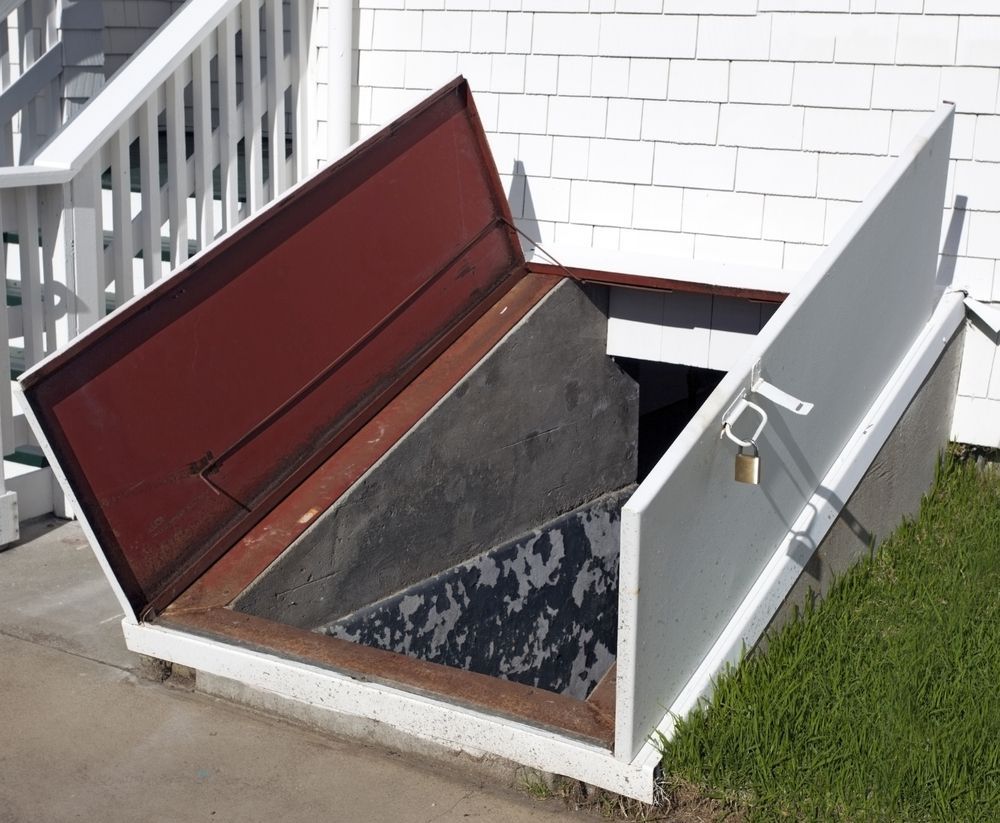
After installation, you will see a shelter entrance at ground level or slightly above grade, with steps leading down into a reinforced interior space. Coots Excavating LLC works with shelter manufacturers to ensure proper depth and support, and the installation is tailored to your property's soil conditions and topography. The shelter functions immediately once backfilling and grading are complete, giving you a safe space during tornado warnings or other severe weather events common in this part of Kentucky.
Installation typically takes one to two days depending on soil conditions and access to the site. The service includes excavation, shelter placement, and backfilling, but does not include the shelter unit itself, interior finishes, or ventilation system installation. You are responsible for obtaining the shelter unit and any required permits before excavation begins, though site evaluation can help confirm that your chosen location meets spacing and safety requirements.
Questions About Shelter Placement and Installation
Choosing the right location and understanding what the installation involves ensures the shelter functions reliably when weather conditions turn dangerous.
What location works best for a tornado shelter?
The shelter should be close enough to your home for quick access but far enough from large trees, power lines, and structures that could collapse and block the entrance.
How deep does the excavation need to be?
Depth depends on the shelter model and manufacturer specifications, but most in-ground shelters require excavation between six and ten feet deep to provide adequate protection.
When should installation happen?
Dry weather allows easier excavation and compaction, and installing before storm season gives you functional protection when severe weather is most likely in East Bernstadt.
Why does drainage around the shelter matter?
Proper grading and drainage prevent water from pooling at the entrance or flooding the interior during heavy rain that often accompanies tornadoes.
What soil conditions affect installation?
Clay soils provide good stability but may require additional drainage work, while sandy or rocky soils may need modified excavation techniques or additional support around the shelter walls.
Reach out to schedule a site evaluation and discuss tornado shelter installation that provides safe, accessible storm protection for your family.