
Digging to Depth and Level for Structural Stability
Foundation Excavation in East Bernstadt for builders and homeowners who need precise excavation and footer preparation before concrete pours and framing begins
Coots Excavating LLC provides foundation excavation for residential and light commercial construction across East Bernstadt, digging to the depth and dimensions specified by engineers and builders to support concrete pad foundations and perimeter footers. You may be breaking ground on a new home, adding a garage or outbuilding, or preparing a site for a pole barn that requires stable support beneath the slab. The excavation process removes soil to the required depth, levels the cavity floor to within fractions of an inch, and compacts the base so that the concrete sits on stable ground without settling or cracking after the structure is built.
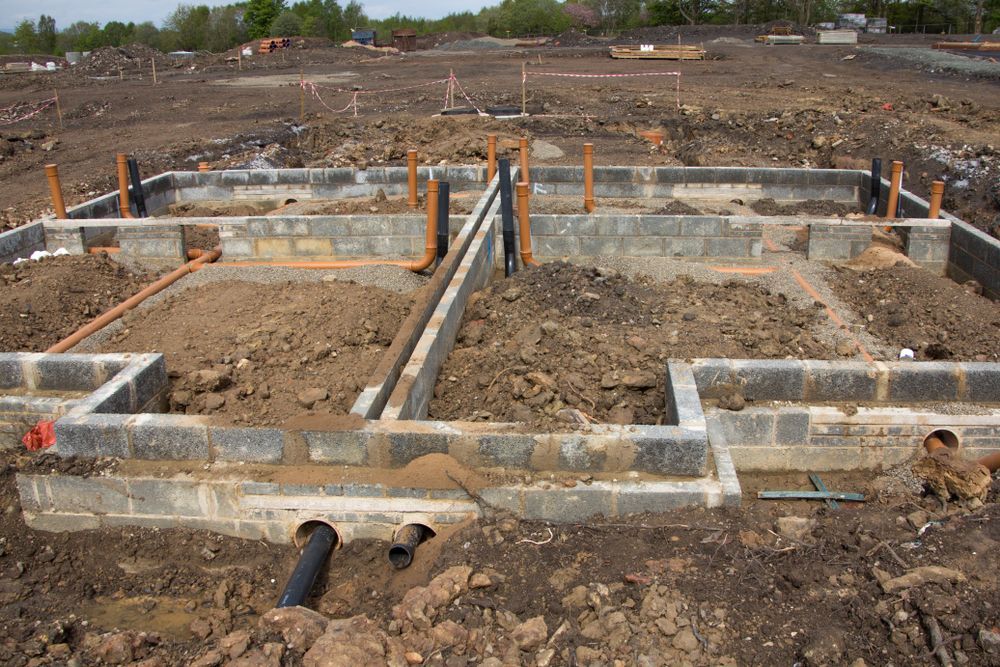
The work begins with staking the foundation perimeter based on survey markers or builder plans, then excavating the cavity using equipment that removes soil in controlled lifts. Footer trenches are cut around the perimeter to the depth and width specified in the plans, and the cavity floor is graded and compacted to provide uniform support across the entire foundation area. Soil conditions vary across properties in this region, and excavation depth may need adjustment if bedrock, groundwater, or unsuitable soil is encountered during digging.
Schedule your excavation to align with concrete pour timelines and ensure the cavity stays clean and accessible before foundation work starts.
Why Excavation Accuracy Matters for Long-Term Durability
You need a foundation cavity that matches engineered dimensions and sits level across the entire footprint. Depth must be consistent to ensure footer and slab thickness meet code requirements, and the base must be compacted to resist settling under the weight of the structure. Excavation that runs too shallow compromises footer support, while excessive depth wastes concrete and increases costs. Leveling the cavity floor prevents the concrete slab from being thicker on one side than the other, which can lead to cracking as the building settles unevenly.
After excavation, you will see a cavity with vertical walls, a flat and compacted floor, and footer trenches cut to the depth and width specified in your plans. Coots Excavating LLC works closely with builders and contractors to ensure the excavation meets specifications and the site is ready for the next phase of construction. The cavity remains clean and free of debris, and any groundwater or drainage issues are addressed before concrete trucks arrive.
Excavation timelines depend on foundation size, soil conditions, and site access, but most residential projects complete in one to two days. The service includes excavation, leveling, and compaction, but does not include footer forms, rebar placement, gravel base installation, or concrete pouring. If your site requires dewatering, rock removal, or imported fill to achieve proper depth and compaction, those needs are identified during the initial site evaluation.
Key Considerations Before Foundation Excavation
Coordinating excavation with your builder and understanding what the work involves ensures the foundation goes in correctly the first time.
What depth is required for foundation excavation?
Depth depends on frost line, soil bearing capacity, and building codes in East Bernstadt, with most residential foundations requiring excavation between two and four feet below finished grade.
How level does the cavity floor need to be?
The cavity floor should be level to within a quarter inch across the foundation footprint to ensure uniform slab thickness and prevent cracking as the concrete cures.
When should excavation happen relative to other site work?
Excavation occurs after clearing and grading but before utility trenching or footer forming, and timing is coordinated with concrete delivery schedules to keep the cavity clean.
Why does soil compaction matter before pouring concrete?
Compacted soil prevents settling under the weight of the foundation and reduces the risk of voids forming beneath the slab over time.
What happens if groundwater or rock is encountered?
Groundwater may require dewatering or drainage measures, while shallow bedrock may require blasting, removal, or adjustments to foundation design depending on engineer recommendations.
Contact Coots Excavating LLC to schedule foundation excavation that meets your builder's specifications and keeps your construction timeline on track.