
Graded Access That Holds Up Year-Round
Driveway & Road Clearing in East Bernstadt for undeveloped properties requiring stable access to homes and building sites
Coots Excavating LLC clears and prepares driveways and access roads on rural and undeveloped land in East Bernstadt, grading and leveling surfaces to create long-lasting routes for vehicles and construction equipment. You've purchased land for a new home or outbuilding, and the property is currently accessible only by overgrown trails or uneven paths that become impassable in wet weather. The clearing process involves removing trees, stumps, brush, and topsoil, followed by grading to establish a smooth, stable roadbed that drains properly and resists rutting under repeated use.
Proper grading ensures the driveway slopes away from structures and doesn't collect water in low spots where freeze-thaw cycles or heavy traffic would create potholes and erosion. The roadbed is crowned or sloped to direct runoff into ditches or vegetated areas, preventing washouts during storms. This work is essential before gravel or asphalt is placed, as an unstable base leads to rapid surface degradation and costly repairs.
Call Coots Excavating LLC for new driveway or road access projects that improve property usability and support construction timelines.
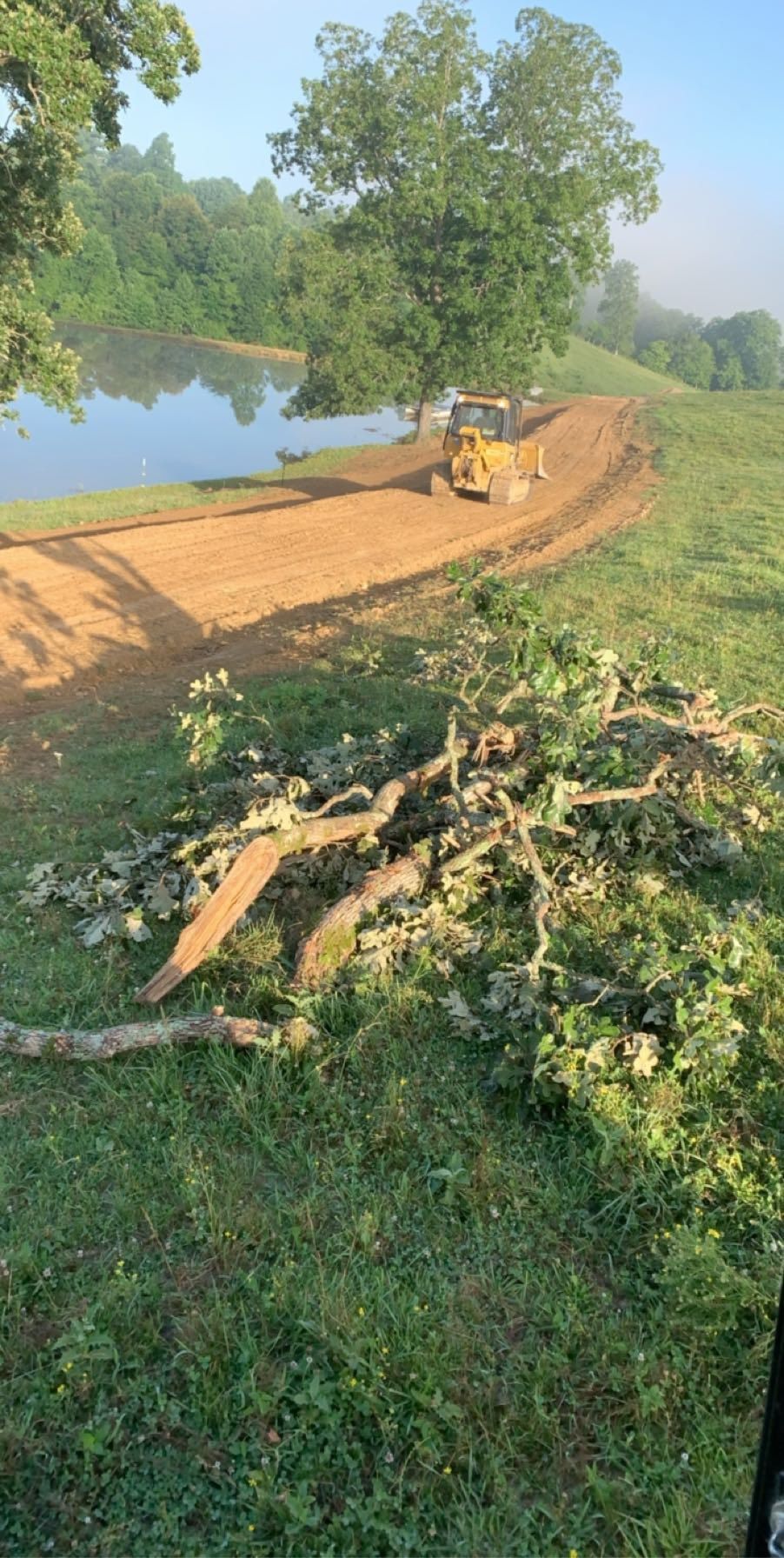
What a Cleared and Graded Driveway Provides
Your driveway's durability depends on how well the underlying surface is compacted and graded before any topping material is applied. Coots Excavating LLC uses dozers and graders to shape the roadbed, removing soft spots and ensuring the surface is firm enough to support delivery trucks, concrete mixers, and daily vehicle traffic. The width and turning radius are planned to accommodate the vehicles you expect, whether that's passenger cars or larger equipment for ongoing land development.
After clearing and grading, you'll have a driveway that allows year-round access without sinking, rutting, or turning into mud after rain. Water runs off to the sides instead of pooling in the middle, and the surface remains stable enough for gravel placement or future paving. Coots Excavating LLC can extend the work to include full gravel installation if you're ready to finish the surface.
The service includes tree and brush removal, stump grinding or removal, rough grading, and finish grading to prepare for surfacing. Culvert installation and ditch work can be added to manage drainage where driveways cross low areas or natural water flow paths. Gravel delivery and paving are separate services that can be coordinated once the base is ready.
What to Ask Before Clearing a Driveway
Landowners planning new access roads often have questions about layout, drainage, and how terrain affects the scope and cost of the work.
What determines the best route for a new driveway?
Slope, soil stability, tree density, and drainage patterns all influence the layout, with the goal of minimizing cuts, fills, and ongoing maintenance.
How wide should a rural driveway be?
Most single-lane driveways are 10 to 12 feet wide, with wider sections or turnouts added if the route is long or steep.
Why is grading important even if you're not paving right away?
Proper grading prevents erosion, controls water flow, and creates a stable base that won't require rework when gravel or asphalt is eventually added.
When is a culvert needed during driveway clearing?
Culverts are installed where the driveway crosses a natural drainage path, ditch, or low area that channels water during rain in East Bernstadt's hilly terrain.
What happens to stumps and debris during clearing?
Stumps are typically removed or ground down, and brush is cleared from the right-of-way, with debris either hauled off or pushed to designated areas depending on your preference.
Coots Excavating LLC tailors driveway clearing to your property's layout and intended use. Contact them to walk the site and discuss grading, drainage, and surface options that fit your access needs.